





 Starting soon
Pathways to resilience and food security in eastern Burkina Faso
Between Fada N'Gourma and Diapaga, 150 women, most of them displaced, learn to process and preserve what they produce.
Starting soon
In Samburu, Somali camels and Galla goats to renew the bloodlines of local herds and make pastoralist families stronger in the face of drought.
The project continues the work begun in Opiroi with the Kenya Camel Association, moving it to Naimaralal, in Baawa Ward, Samburu County, and extending it from camels to goats. In local herds inbreeding weakens the animals and lowers their output: for this reason 15 Somali camels, 3 males and 12 females, will be brought from Wajir, together with 20 Galla bucks to be crossed with local goats, with the males rotating among families. In a pastoralist society such as the Samburu, the camel is the family’s capital, the asset that goes into dowries, compensation and alliances, while the goat is the everyday reserve, within reach of the poorest households too: working on both means strengthening both levels of the household economy. These are also animals that browse shrubs rather than graze grass and do not compact the soil, so they weigh less on an already fragile environment. Together with the veterinary services, two courses will be held on the health care and feeding of the new breeds, and radio and SMS messages will keep herders informed. Thirty-five families will benefit directly, 15 with camels and 20 with goats, while the radio messages will reach about 7,400 people.
Starting soon
Between Fada N'Gourma and Diapaga, 150 women, most of them displaced, learn to process and preserve what they produce.
 Ongoing
In the municipality of Fada, a group of displaced women are seeking a fresh start through farm work and new…
 Completed
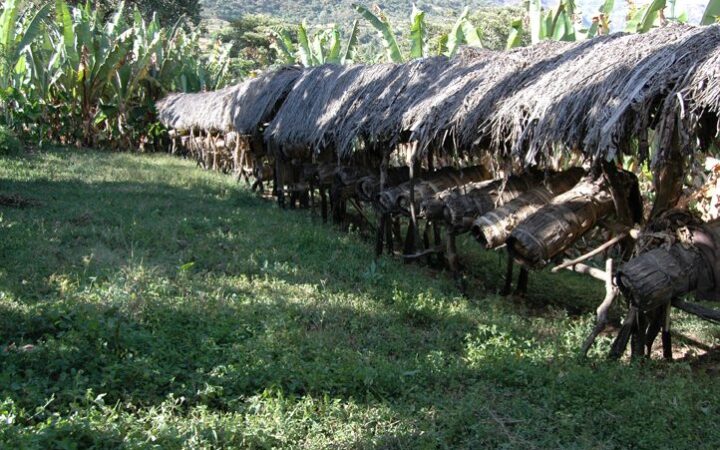
Strengthening the resilience of Samburu pastoralists in Opiroi with camels, movable-frame beekeeping and early warning information.